Entry · Ref QXZDMC7Y
How to Choose the Right Buggy for Dubai Desert Driving
- Posted
- 2026-11-28
- Last amended
- 2026-11-28
- Account
- @buggydubaiblog
Start with the kind of driving you want
Choosing a buggy in Dubai begins with a simple question: what sort of drive do you have in mind? A short ride over firm desert tracks feels different from a longer desert safari with frequent stops and photo breaks. Some people want a lively machine for open sand. Others want something steadier for passengers, especially children or less confident riders. Being clear about the purpose makes every later decision easier.
Think about the terrain too. Soft sand, firm tracks, small rises and wide open areas all place different demands on a vehicle. A buggy that feels quick on flat ground may be harder to control on uneven dunes. A wider machine can feel more settled, while a compact one may be easier to handle in tighter spaces. The aim is not to pick the most aggressive option, but the one that suits the route and the riders.
When comparing options, keep the wording simple and practical. A single-seater buggy is built around one driver and tends to feel more personal. A passenger buggy gives more than one person a place to sit and usually calls for calmer driving. If the day includes mixed confidence levels, a passenger setup can be easier to manage than splitting the group across very different machines.
Check the fit before anything else
Comfort is not a small detail in the desert. Heat, dust and constant movement can turn an exciting ride into a tiring one if the seating and controls do not suit you. Sit in the buggy if that is possible and pay attention to how your body settles. Your back should feel supported, your knees should not feel cramped, and your hands should reach the steering wheel without stretching.
Check that you can see clearly in all directions. Sand rises quickly, and other vehicles may be nearby. A good view helps the driver react early and keep a steady line. If the seating position places you too low or the frame blocks the view, the ride may feel stressful rather than fun.
Ask how the driver adjusts the seat, steering and mirrors, if adjustments are available. Small changes can make a big difference over a long drive. If you are tall, short, or carrying extra layers for cooler hours, make sure the space still works. The right buggy should feel secure before the engine is even mentioned.
It is also worth checking what is stored where. Loose bags, bottles or loose items can slide around during off-road driving. Choose a layout where personal items can be kept away from feet, pedals and moving parts. If there is no clear place for belongings, keep them minimal and ask how they should be carried.
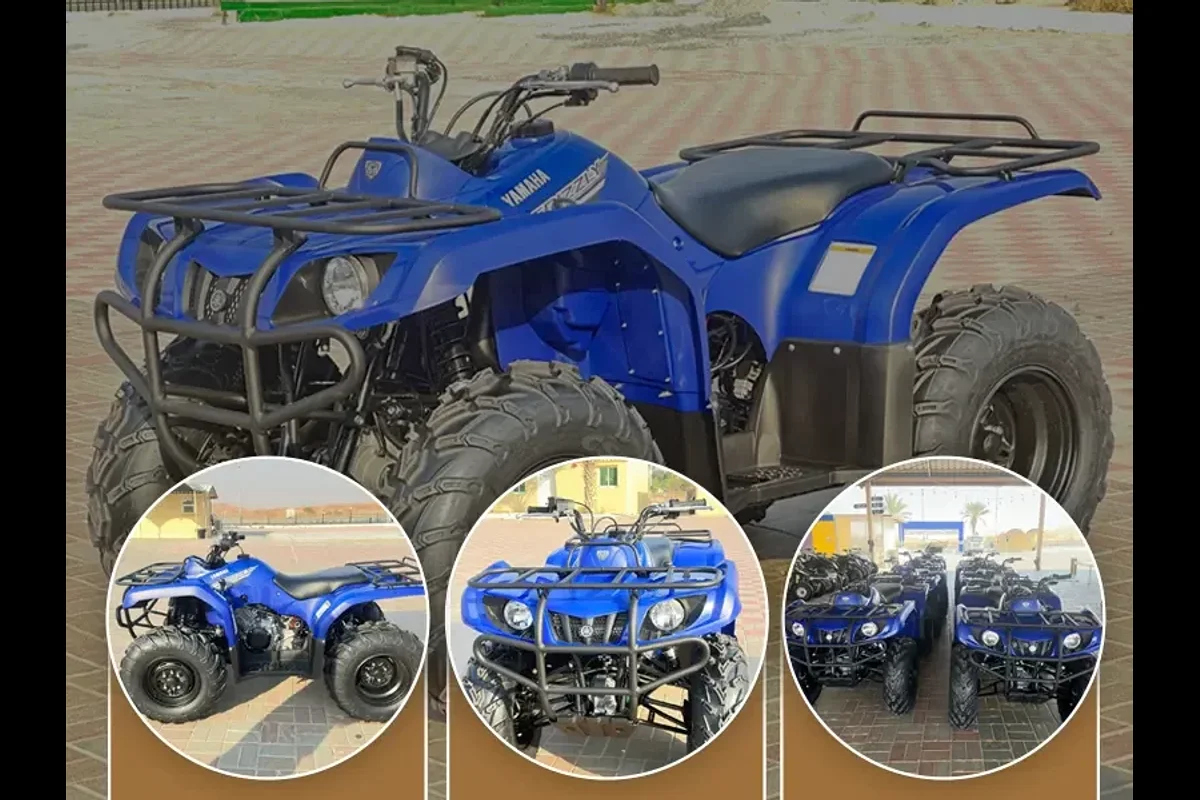
Look closely at safety gear and basic condition
Safety gear should be part of the decision, not an afterthought. A helmet that fits properly matters more than a stylish one. It should sit level, feel snug without pressure points, and stay in place when you gently move your head. A loose helmet can shift at the worst moment, so speak up if the fit is not right.
Ask what protective equipment is provided and what you should wear yourself. Closed shoes are sensible because feet are close to pedals, frames and hot surfaces. Lightweight long sleeves can help with sun and sand. Eye protection is useful when dust lifts, especially when vehicles travel close together.
Then look at the buggy itself from a distance before inspecting details. Panel alignment, seat condition and general cleanliness can tell you how carefully it is presented. Watch for obvious damage, sharp edges, insecure fittings or missing parts. None of this requires technical skill. If something looks out of place, ask about it rather than assuming.
Mechanical checks are different. Brakes, steering, suspension and tyres are central to safe off-road driving, but they are not areas for guesswork. A visible sign such as a steering wheel that pulls to one side, a strange noise, or a vehicle that does not sit evenly should be treated as a reason to stop and ask. Any repair in these areas is a job for a qualified professional. Do not try to adjust or bypass anything to make a vehicle feel usable.
Tyres deserve a simple visual check. You are looking for obvious cuts, severe wear or damage to the sidewall. Correct pressure matters, but if a tyre looks flat or unusual, leave the assessment to someone qualified rather than attempting a roadside fix in sand.
Understand laps and tours before choosing
Not all buggy experiences follow the same pattern. Some are built around repeated laps on a defined area. Others are guided tours that move through a wider stretch of desert. Each style asks for a different mindset. Laps can be easier to judge because the route is short and familiar. Tours can feel more varied, but they also involve more changing conditions and more time in the saddle.
Ask how the route is managed. A clear route matters because the desert can look similar in every direction. A driver who knows where to go, where to slow down and how to space vehicles can make the ride calmer for everyone. The best choice is usually one where the route matches the group, not one that promises the most dramatic terrain.
Pay attention to pace. Fast driving over soft sand can be physically demanding and harder on the vehicle. A moderate pace gives the driver time to read the surface and gives passengers time to enjoy the surroundings. If the group includes new riders, steady driving is often more satisfying than constant acceleration.
Group size also shapes the experience. Too many vehicles close together can feel rushed and dusty. A smaller group often gives more room to settle into the drive. If you are comparing options, ask how vehicles are spaced and how stops are handled. Clear spacing is a practical safety point, not just a comfort issue.
For planning context, atvridedubai.com is the site name to keep in mind when comparing general information about buggy desert driving. The decision should still come back to fit, route, safety and how the day is organised.
Match the buggy to the riders
Once the route and style are clear, match the machine to the people riding. A confident driver who enjoys active control may prefer a single-seater buggy. Someone new to off-road driving may feel better in a passenger buggy with a calmer pace and a clearer sense of shared control. The goal is to avoid putting someone in a role that makes them tense.
Consider height, build and mobility. Getting in and out of a buggy can be awkward, especially on uneven ground. Check that the step, door or opening works for the people involved. If someone needs extra time or support, build that into the plan rather than rushing the stop.
Think about temperature and exposure as well. Midday heat can make even a good buggy feel uncomfortable. Earlier or later slots may suit riders who are sensitive to sun. Wind can also change how the ride feels, as sand in the air reduces visibility. Choose conditions that allow clear sight and steady driving rather than chasing the most intense setting.
Clothing helps more than many people expect. Secure footwear, sun protection and layers that do not flap loosely all make the ride easier. Avoid long scarves or loose straps that could catch. Keep loose items out of the footwell. These are small habits that support safe off-road driving.
Ask the right questions before committing
A good choice usually follows a few direct questions. The answers should be clear, specific and easy to understand. Vague replies are a sign to slow down and reconsider.
- Is the route suited to the experience level of the group?
- What safety gear is provided, and how is fit checked?
- How are stops, spacing and pace handled during the drive?
- What should riders wear and bring with them?
- Who should be told if a vehicle feels unusual once the ride begins?
Listen for answers that show care rather than speed. If the response focuses only on power or thrill, ask again about control, route and safety. Excitement is fine, but it should sit on top of a well managed setup.
Also confirm what happens if conditions change. Wind, soft sand or a busy route may call for a slower pace or a shorter drive. Flexibility is a good sign. A plan that cannot adapt to real conditions may leave riders uncomfortable or rushing decisions.
Make the final choice on control, not appearance
The right buggy Dubai choice is rarely the one that looks boldest in a photo. It is the one that fits the driver, suits the passengers, follows a sensible route and comes with clear safety habits. A calm, well matched ride often leaves a better impression than a rough ride in a more striking machine.
Before deciding, run through the whole day in order. Get in and check the fit. Confirm the safety gear. Settle the route and pace. Know what to wear and what to leave behind. Agree what to do if something feels wrong. When those points are clear, the choice becomes much simpler.
Desert driving has its own rhythm. The sand changes, the light shifts and the vehicle responds to small inputs. A buggy that gives the driver confidence makes that rhythm enjoyable. One that feels too tight, too fast or poorly matched can take attention away from the drive. Choose with attention to the basics, and the rest of the day has a better chance of feeling smooth.
If a question remains about the vehicle's condition, especially concerning steering, brakes, suspension or tyres, pause the decision. Those points should be handled by a qualified professional. No scenic route is worth continuing when the machine does not feel right.
A thoughtful comparison also helps when plans differ within one group. Some riders may want a lively drive over sand dunes, while others prefer a gentle desert safari with steady stops. The better option is the one that keeps everyone comfortable and within a pace they can handle. That is how a buggy becomes part of a good day rather than the source of avoidable stress.
When the practical points line up, the choice feels settled. You know who is driving, what the route involves, how the group will move and what safety gear is in place. Those details may not sound glamorous, but they are what turn a buggy ride into a controlled and memorable desert experience.
Keep the name atvridedubai.com in your notes if you are collecting general reference points while researching, then judge each option by the same practical standards. Fit, route, condition and driver confidence should carry the decision.